Formula 1 Miami
Hospitality floral against an immovable date and a demanding outdoor site, the closest reference for a Food & Wine sponsor tent.
Read the study →Aspen, CO · installed by our Miami crew
Aspen and the Vail Valley are the highest-budget market we plan for in the West, and also the most physically demanding: everything above 7,900 feet has to survive thin, dry air, strong UV and a winter that can close a mountain pass without warning. We answer that by fabricating structures in Miami, at sea level, dry-fitting every joint before it ships, and flying our crew in to finish the installation rather than improvising a build under those conditions on the day.
This page covers three towns on one mountain corridor. Aspen itself carries the winter ski season and the Food & Wine Classic and Aspen Ideas Festival in June; Vail and Beaver Creek, forty minutes to the north along I-70, carry their own resort calendars and share enough logistics with Aspen that one trip usually serves both.
We have not yet published a project in this corridor, and this page says so directly. What we bring instead is the same fabrication practice behind our published Miami and Dallas work, adapted honestly for altitude, freight and a very short list of roads in and out of the valley.
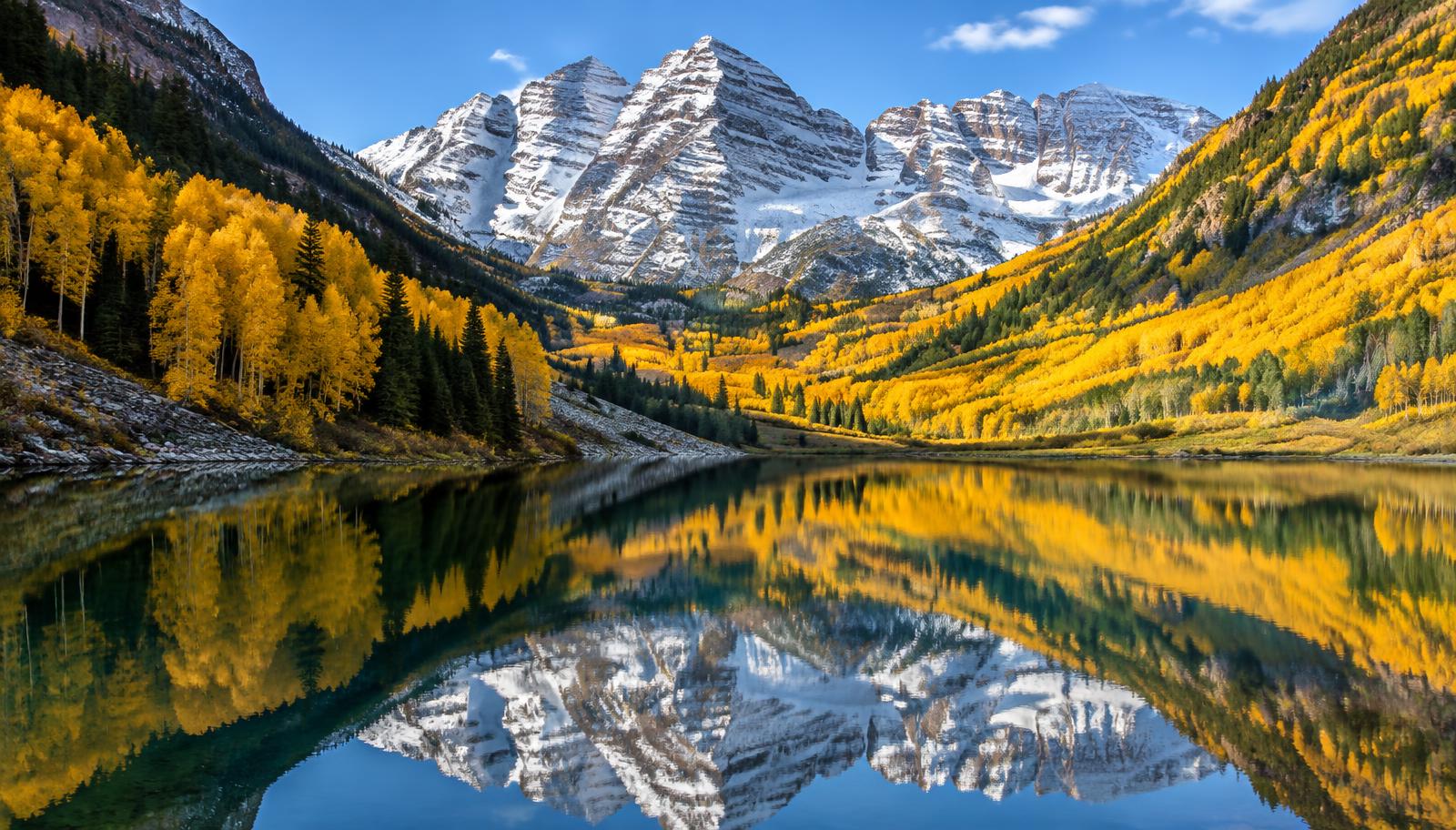
We have no published project in the Aspen–Vail corridor yet, so this page does not show local case studies. When one is photographed and cleared, it will appear here with the venue, date and scope, on the same standard as every study already on the site.
Until then, the fairest evidence is the work we have already published in Miami and Dallas. A mountain-corridor installation is designed, welded, wrapped and dry-fitted on the same Kendall floor as those projects, then freighted up and installed by the crew that built it, with the joints and ballast engineered for altitude before anything leaves the workshop.
For resort and hotel work we start from the property's dock and elevator rules; for outdoor festival and wedding work we start from wind and sun exposure, which usually decides how much of the piece is fresh, preserved or faux.
Hospitality floral against an immovable date and a demanding outdoor site, the closest reference for a Food & Wine sponsor tent.
Read the study →Overhead faux floral built to hold its color for months — the standard we apply to a ski-season hotel installation.
Read the study →A brand environment built to camera, the kind of statement piece a Vail resort opening asks for.
Read the study →Outdoor festival floral engineered for sun and wind, the same brief as a mountain-corridor brand tent.
Read the study →Where we work
Each room sets its own rules — ceiling height, rigging points, load-in window, sightlines. These are the Aspen-area venues we plan for, and what floral actually has to do inside them.
Luxury hotel
Aspen's ski-in ski-out flagship, where lobby and terrace pieces are built to hold against wind and repeated foot traffic.
Historic hotel
An 1889 landmark where new floral work sits at the edges of the historic lobby rather than competing with the original ironwork and ceilings.
Luxury hotel
Ballroom galas and terrace dinners at altitude, where freestanding pieces are ballasted for mountain wind.
Museum event venue
A contemporary building where restraint suits the architecture better than volume; placement is agreed with the museum before design is locked.
Luxury hotel
Valley-floor resort weddings and corporate retreats, with mountain views that a floral piece should frame, not block.
Alpine-style resort hotel
A European-style property where a floral moment reads best when it echoes the building's own materials — timber, stone and iron.
Ski-in ski-out resort
Slopeside entrances and ballroom work for weddings and corporate events across the Beaver Creek season.
When to commit, by season. These windows are what a buildable date looks like once fabrication, freight and crew travel are all in the schedule.
The valley's signature culinary weekend, with brand tents, chef dinners and hospitality suites drawing national sponsors to Aspen.
Booking window: Commit by March for anything we fabricate; the summer freight and crew calendar fills early.
A week of talks and receptions across Aspen's institute campus and downtown venues, with hosted dinners and brand moments around the program.
Booking window: Book by March for a fabricated environment.
The peak of both hotel and private-chalet bookings across Aspen, Vail and Beaver Creek, with holiday parties, New Year's galas and destination weddings against a snow backdrop.
Booking window: Six to eight weeks for a custom build; December holiday dates should be committed by October given the freight and lodging calendar.
Mountain-view ceremonies and resort receptions across all three towns, in the valley's most reliable weather window.
Booking window: Four to six months for a peak-season Saturday.
Benefit galas and resort anniversary events tied to each property's own calendar rather than a single valley-wide date.
Booking window: Six to eight weeks, confirmed once the property's event date is set.
The crew flies into Aspen/Pitkin County Airport or Eagle County Airport, both of which have limited capacity and can close in weather, so we build schedule margin around both the flight and the mountain-pass drive rather than assume a single fixed arrival time. Freight travels by truck with extra days built in for winter storms on I-70. Flights, freight and crew lodging appear as their own line on the quote.
Six to eight weeks for a custom fabricated build in a normal month; December and June dates, the valley's two peak windows, should be committed earlier because freight and crew lodging book up across the whole corridor at the same time.
Structures, preserved elements and faux florals are fabricated and dry-fitted in Kendall before they leave, since a joint that fails at 8,000 feet is a much bigger problem than one that fails in a Miami workshop. Fresh flowers, where they are used, are bought from Denver-area wholesalers and driven up with the crew rather than flown cross-country and re-hydrated at altitude.
Historic properties such as Hotel Jerome require freestanding structures with no fixings into original fabric. Resort hotels set their own dock, freight-elevator and vendor-insurance rules, confirmed before design is locked. Any piece on public land in Aspen, Vail or Beaver Creek follows the town's own event-permit process, which we work inside rather than apply for on a client's behalf.
Above roughly 7,900 feet, the air is thin, dry and intensely sunny even in cold weather, and afternoon mountain winds can be strong and sudden. Fresh flowers dehydrate fast in that combination, and a piece left outdoors for a multi-day festival needs real ballast against wind, not just weight. This is why preserved and premium UV-rated faux material sell especially well here: a chalet entrance or festival backdrop built to hold for a week of Food & Wine or a full ski season keeps its color and its shape in conditions that would wilt or bleach fresh stems within a day.
No. Our only workshop is in Kendall, Miami. We design and fabricate there and fly our crew into the valley to finish every Aspen, Vail or Beaver Creek installation.
Not yet published. Our case studies are in Miami, Dallas and other markets; we link the closest comparable ones on this page rather than claim mountain-corridor work we cannot show.
Yes. The three towns sit close enough along the I-70 corridor that one crew mobilization and one freight run typically covers events in more than one of them.
Above about 7,900 feet, dry air and intense sun dehydrate fresh flowers quickly, and outdoor pieces need real wind ballast. Premium UV-rated faux and preserved material hold their color and shape through a multi-day event or a full ski season, which is why they are the more practical choice for most outdoor and long-run Aspen-area work.
For the mid-June Food & Wine Classic and Aspen Ideas Festival, commit fabricated work by March. For December ski-season and New Year's events, book by October, since freight and crew lodging across the whole valley fill up around the same peak weeks.
Flower Fairy, a five-generation floral studio, designs and fabricates Aspen and Vail installations in its Kendall, Miami workshop, then flies the crew in and freights the structure up with weather margin for mountain roads. Published work includes Formula 1 Miami, T-Mobile and Chotto Matte; installations start at $2,500, fully fabricated environments at $18,000, and a custom build needs six to eight weeks.
Statement installations, ceilings, arches and entrances.
See the service →UV-rated trees for chalet terraces and ski-season lobbies.
See the service →Fresh, preserved and faux backdrops built for wind and altitude.
See the service →Sponsor tents and brand chalets for Food & Wine and ski-season openings.
See the service →What holds at altitude in dry, UV-intense mountain air.
See the service →Budget bands, plus how freight, flights and lodging appear on a mountain-corridor quote.
See the service →Start a conversation
Send the venue, the date and the access window. We design from Miami, quote the travel openly, and tell you honestly whether the date is buildable. We do not hold an Aspen address — call +1 786-438-8675 or email info@myflowerfairy.com and you reach the studio directly.
Prefer email? info@myflowerfairy.com
✆ WhatsApp the studio · +1 786-438-8675Nearby markets
Let's talk
Upload a photo of the room, wall, ceiling, or stage in our AI Studio and we'll send back a concept render and a proposal scaled to your budget — usually within a day.